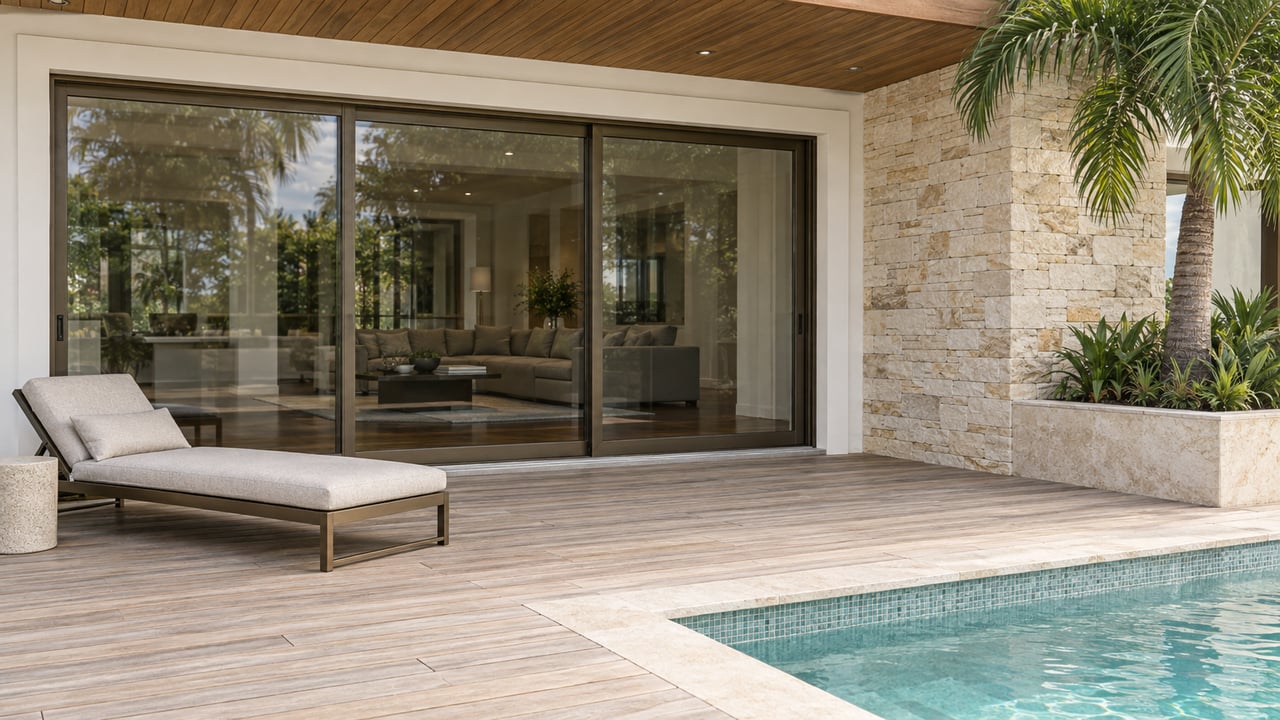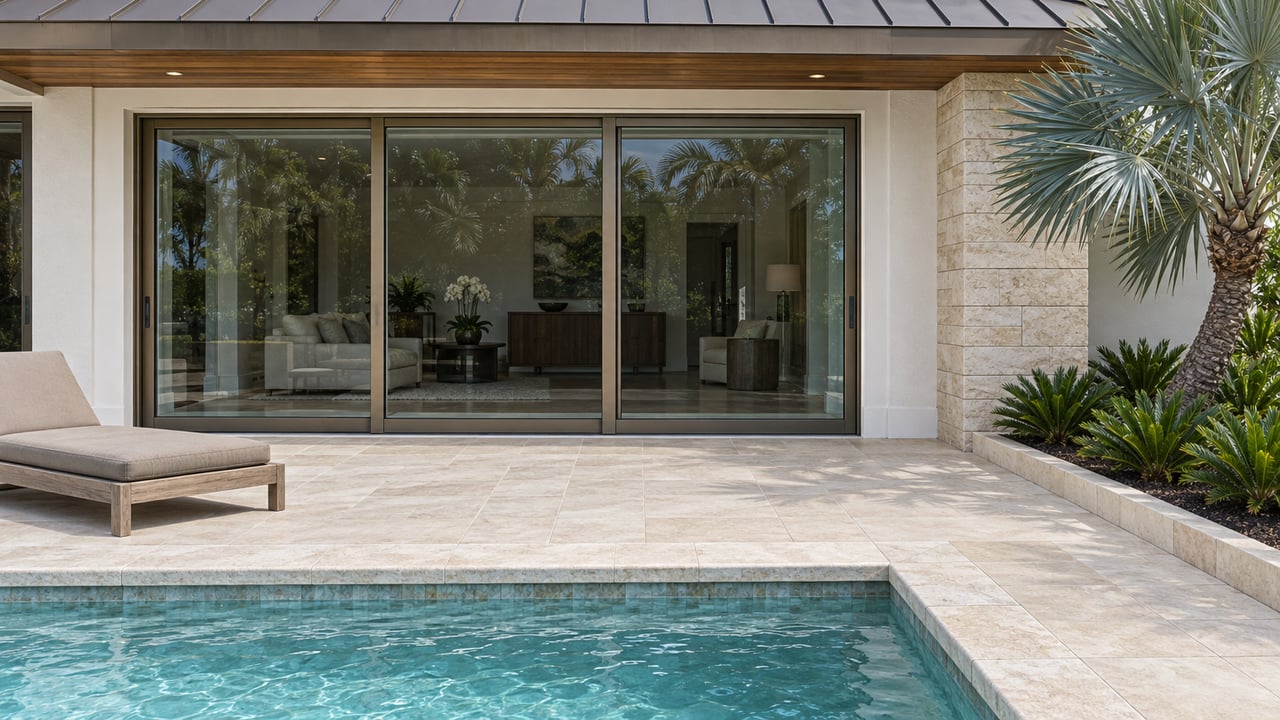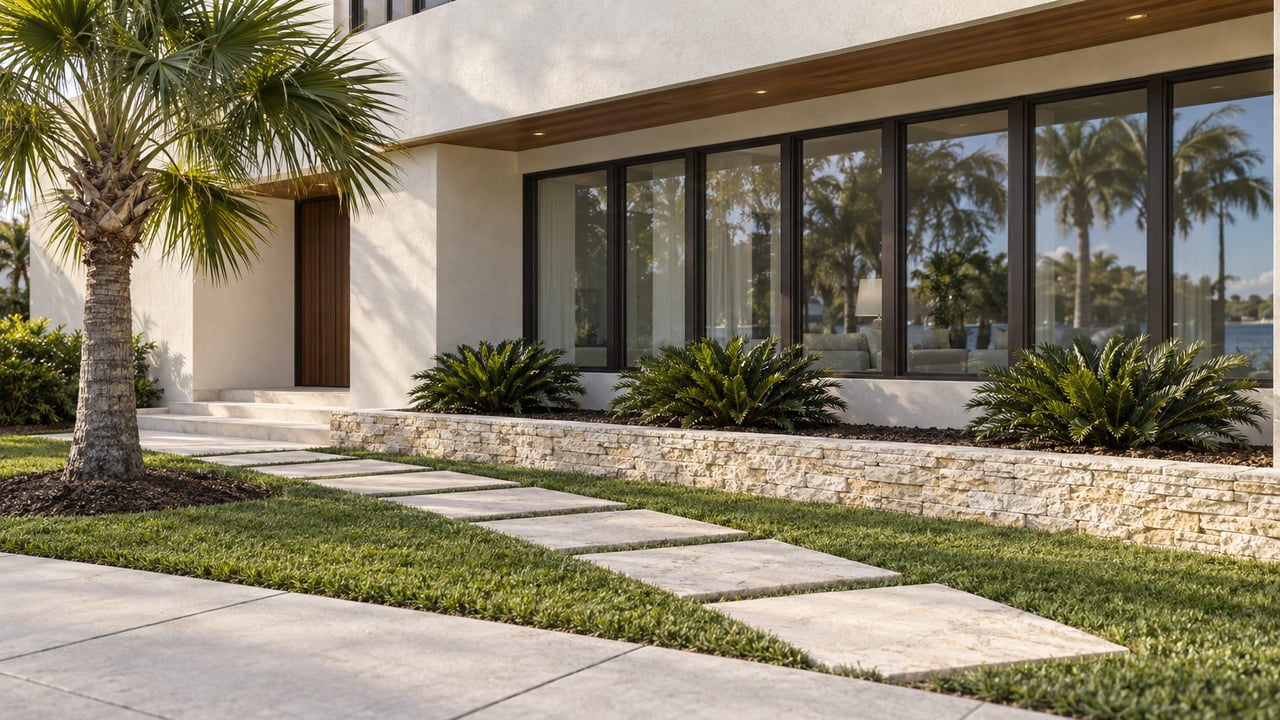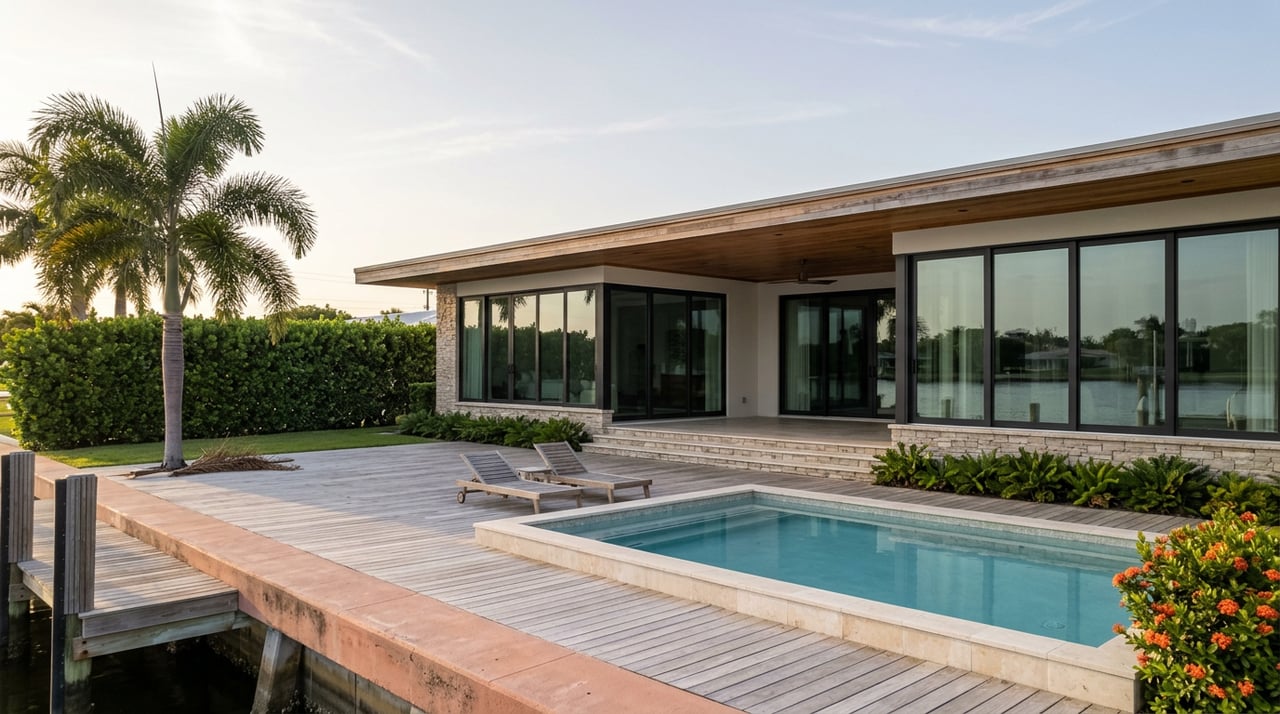
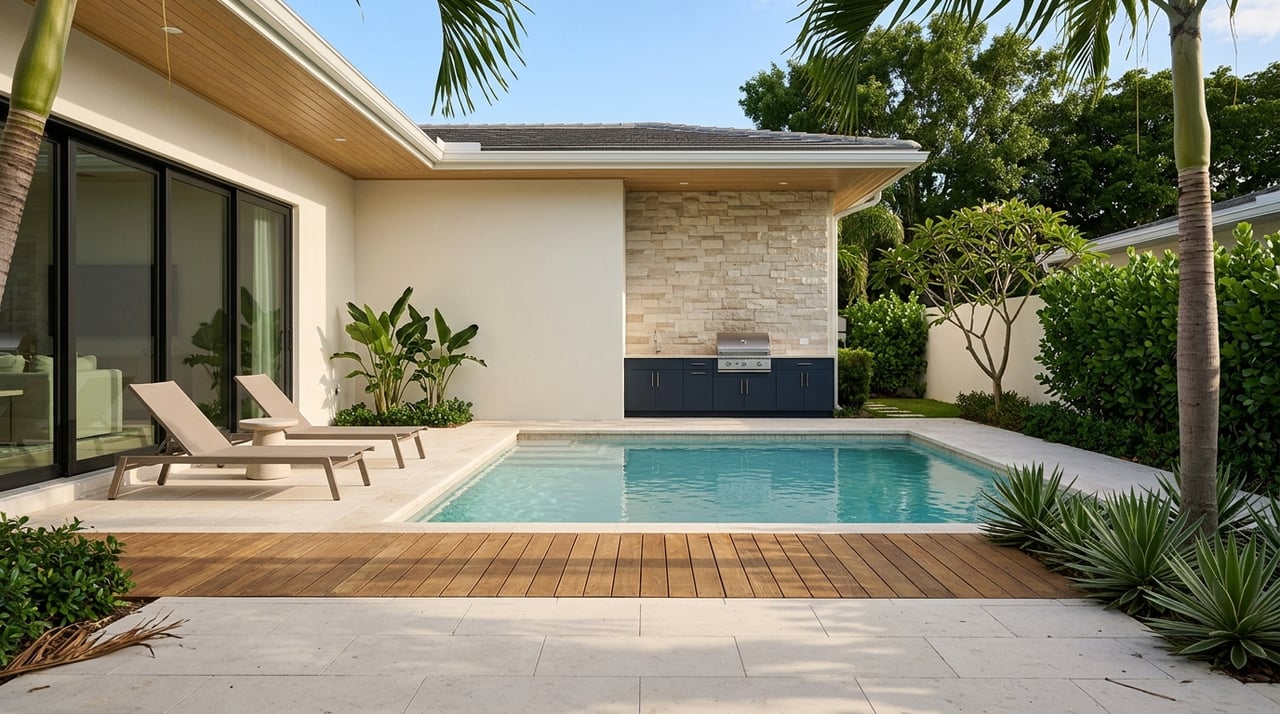
If you are torn between a waterfront home and a dry-lot home in Coral Ridge, you are asking the right question. In this part of Fort Lauderdale, both options can offer a luxury lifestyle, but they deliver value in very different ways. The best choice depends on how you want to live, what costs you are prepared to carry, and how much flexibility you want from the property over time. Let’s break down the tradeoffs so you can compare them with confidence.
Coral Ridge offers two distinct lifestyles
Coral Ridge is a recognized Fort Lauderdale neighborhood, and the broader Coral Ridge Country Club Estates area is an established Northeast Fort Lauderdale neighborhood near the Intracoastal Waterway. The city describes the area as largely single-family with some multi-family homes, with access to retail, medical uses, parks, and the Coral Ridge Country Club and Golf Course.
That mix matters when you are home shopping. Coral Ridge is not defined by one type of property alone. Within the same broader neighborhood, you may find buyers choosing between direct water access and a more traditional inland lot with more everyday flexibility.
The market also gives you room to compare carefully. Recent reporting from Zillow, Realtor.com, and Redfin points to an upper-tier market with meaningful buyer choice, with Realtor.com classifying Coral Ridge as a buyer’s market and Redfin describing it as not very competitive.
Why buyers choose waterfront homes
Waterfront convenience is hard to duplicate
If boating is part of your lifestyle, a waterfront home may be the clear front-runner. Direct shoreline access and the potential for private dockage can make everyday boating far simpler than relying on public launch access.
That convenience is especially relevant in Fort Lauderdale, where boating is part of the local rhythm. A waterfront address can support a more seamless indoor-outdoor and on-the-water lifestyle, which is often a major reason buyers target Coral Ridge in the first place.
Water views can shape daily living
For many buyers, the appeal is not just practical. It is also visual and emotional. Living on the water can change how a home feels day to day, from open views to a stronger connection with the coastal setting.
In a luxury purchase, those lifestyle details often matter just as much as square footage. If the water is central to how you want to experience your home, that value can outweigh the added complexity that comes with a waterfront parcel.
Waterfront ownership comes with added obligations
The tradeoff is that waterfront ownership is rarely just about the home itself. In Fort Lauderdale, flood risk, insurance requirements, seawall condition, and shoreline infrastructure can all affect both your upfront decision and your long-term costs.
The City of Fort Lauderdale notes that many residents live in or near a Special Flood Hazard Area. The city also states that flood damage is usually not covered by homeowners insurance, and flood insurance may be required for federally secured mortgages or for properties in high-risk flood zones.
Renovations may be more regulated
Waterfront lots also come with design constraints that inland buyers may not face. Fort Lauderdale code shows 20-foot setbacks when a building abuts a waterway, and on waterfront properties, no opaque fence, hedge, or wall may exceed 2.5 feet in height.
In practical terms, that can affect how you plan additions, privacy features, landscaping, and outdoor living improvements. If you are buying with renovation goals in mind, these details deserve attention early.
Seawalls and docks deserve close review
A waterfront purchase often includes more infrastructure than buyers first realize. A seawall, dock rights or permits, and shoreline condition can materially affect usability, future expense, and resale appeal.
The city’s seawall master plan treats seawalls as managed infrastructure and prioritizes repair and rehabilitation based on condition, vulnerability to sea-level rise, and importance. That makes a careful review of seawall age and condition an important step before you commit.
Why buyers choose dry-lot homes
Dry-lot homes often offer more usable land
If you care more about yard space, outdoor entertaining, or privacy options than direct water access, a dry-lot home may be the stronger fit. These homes often support a more flexible use of the lot for lawns, pools, additions, and gathering spaces.
That flexibility can be very appealing in Coral Ridge, where buyers may want a high-end address without taking on the full set of waterfront responsibilities. For some households, that balance is the sweet spot.
Renovation flexibility can be a major advantage
Because dry-lot homes are not tied to a waterway edge, they generally avoid shoreline-specific constraints such as the 20-foot waterway setback and the waterfront fence-height rule. That can make it easier to rework outdoor space or plan future improvements.
If your long-term vision includes expanding a pool area, creating more privacy, or adding square footage, a dry-lot property may give you a simpler path. In many cases, that flexibility becomes more valuable the longer you own the home.
You can still enjoy boating nearby
Choosing a dry-lot home does not mean giving up access to boating and outdoor recreation. George English Park, at 1101 Bayview Drive, offers a public boat ramp and canoe and kayak landing, with marine facilities available on a first-come, first-served basis.
The park also includes tennis, walking paths, and other amenities. For buyers who want occasional boating access without paying for a private dock, that nearby option can make a dry-lot purchase more attractive.
Dry-lot does not mean no flood diligence
It is important not to confuse inland with risk-free. The City of Fort Lauderdale says the city is low, flat, and surrounded by waterways, and the Coral Ridge Country Club Estates master plan notes that flooding is an issue along Bayview Drive and in some other portions of the neighborhood.
So even if you focus on a non-waterfront lot, you still want to review flood maps, drainage, elevation, and insurance requirements. A dry-lot home may reduce marine-maintenance exposure, but it does not eliminate the need for careful due diligence.
How to decide in Coral Ridge
Choose waterfront for lifestyle-first living
A waterfront home usually makes the most sense if boating convenience, water views, and private dock potential are central to your goals. It can be the right fit if you are comfortable underwriting flood insurance, seawall condition, and a more regulated renovation process.
For buyers who truly plan to use the water as part of daily life, those tradeoffs may feel completely worthwhile. In that case, the premium is not just for location. It is for a different way of living.
Choose dry-lot for flexibility and simplicity
A dry-lot home is often the better fit if you want more lot versatility and fewer shoreline-related obligations. You may prefer it if your priorities include yard use, outdoor entertaining, privacy features, or a simpler remodeling path.
This option can also appeal to buyers who want to stay in Coral Ridge’s luxury market while being more selective about ongoing costs and maintenance exposure. In a market with meaningful buyer choice, that can be a smart strategy.
Your Coral Ridge property checklist
Before you make an offer on either type of home, focus on the issues that can have the biggest effect on ownership costs and future plans.
- Flood zone classification
- Elevation certificate
- Insurance requirements
- Drainage conditions
- Seawall age and condition, if applicable
- Dock rights or permits, if applicable
- Neighborhood association or HOA rules that affect exterior changes
- Lot layout and how it supports your long-term goals
In Coral Ridge, these checks matter because the neighborhood blends waterfront exposure with a mixed-use coastal setting. A beautiful property can still be the wrong fit if the lot limitations, insurance profile, or shoreline obligations do not match how you plan to use it.
The right choice depends on how you live
In Coral Ridge, waterfront and dry-lot homes can both be compelling, but they serve different priorities. Waterfront homes tend to favor buyers who want direct boating access and a stronger connection to the water, while dry-lot homes often appeal to buyers who value flexibility, yard utility, and a simpler ownership profile.
The good news is that today’s market gives you the ability to compare those options thoughtfully. If you want strategic guidance on how a specific Coral Ridge property aligns with your lifestyle, renovation plans, and long-term goals, Veroushka MacLean Volkert Luxury Real Estate offers concierge-level representation rooted in Fort Lauderdale waterfront expertise.
FAQs
What is the main difference between waterfront and dry-lot homes in Coral Ridge?
- Waterfront homes offer direct shoreline access and possible dockage, while dry-lot homes typically offer more lot flexibility, privacy options, and fewer shoreline-specific obligations.
Are Coral Ridge waterfront homes more expensive to own?
- They can be, because buyers may need to account for flood insurance, seawall condition, dock-related considerations, and more regulated renovation constraints.
Do dry-lot homes in Coral Ridge still require flood checks?
- Yes. The City of Fort Lauderdale notes that the city is low, flat, and surrounded by waterways, so inland buyers should still review flood maps, drainage, elevation, and insurance requirements.
Can you still go boating if you buy a dry-lot home in Coral Ridge?
- Yes. George English Park offers a public boat ramp and canoe and kayak landing on a first-come, first-served basis, giving nearby access for non-waterfront residents.
What should you review before buying a Coral Ridge waterfront home?
- Key items include flood zone, elevation certificate, insurance requirements, seawall age and condition, dock rights or permits, and any rules affecting exterior changes.
Is Coral Ridge a buyer’s or seller’s market right now?
- Recent market snapshots cited in the research describe Coral Ridge as a buyer’s market by Realtor.com’s methodology, with Redfin also noting that homes are not very competitive.