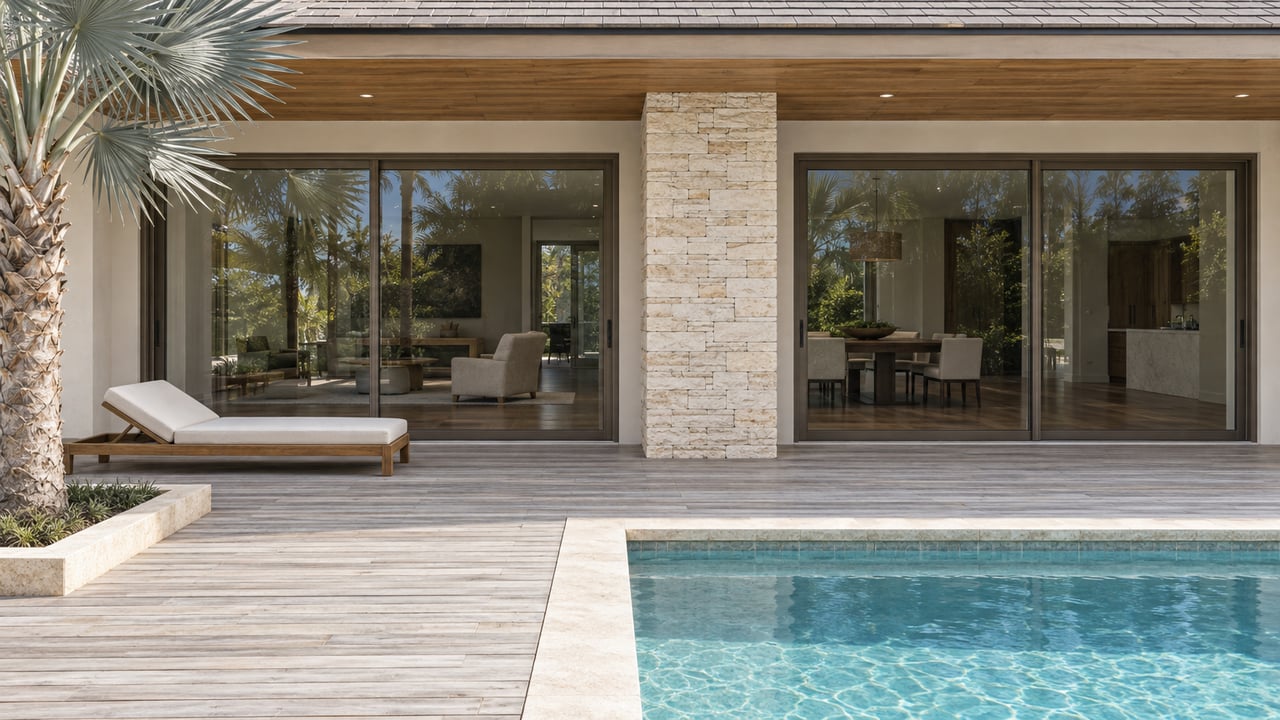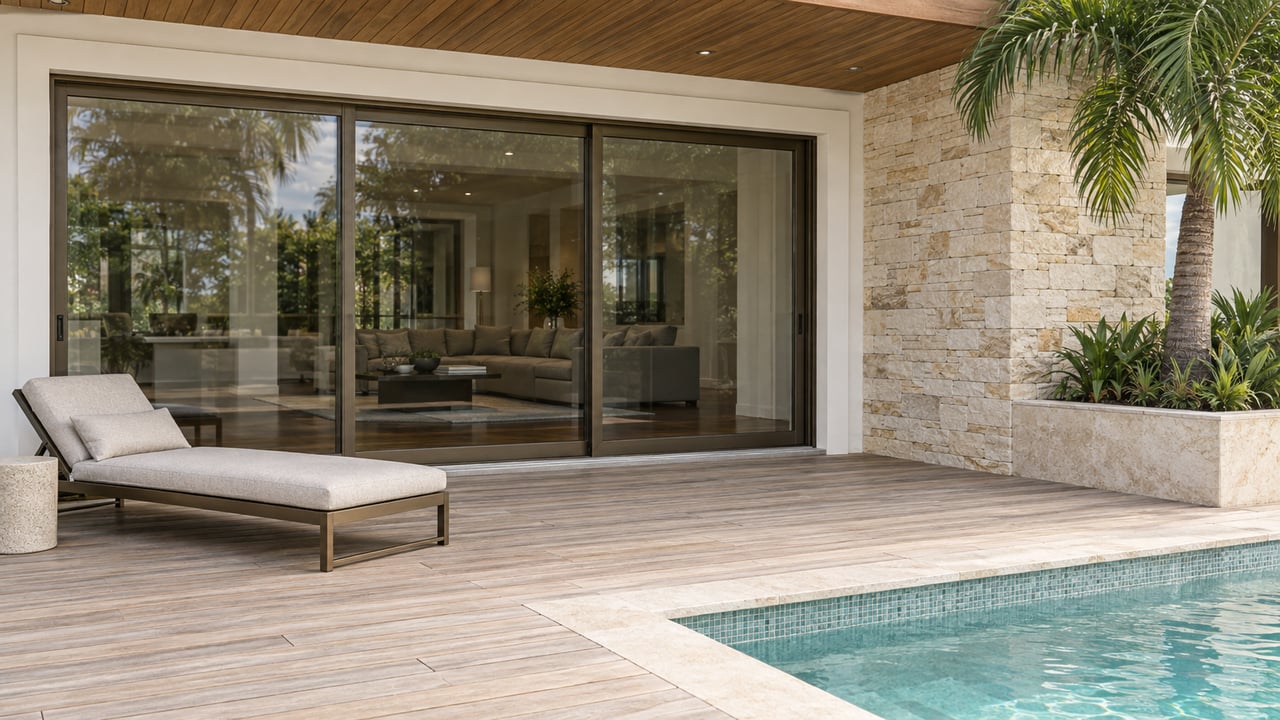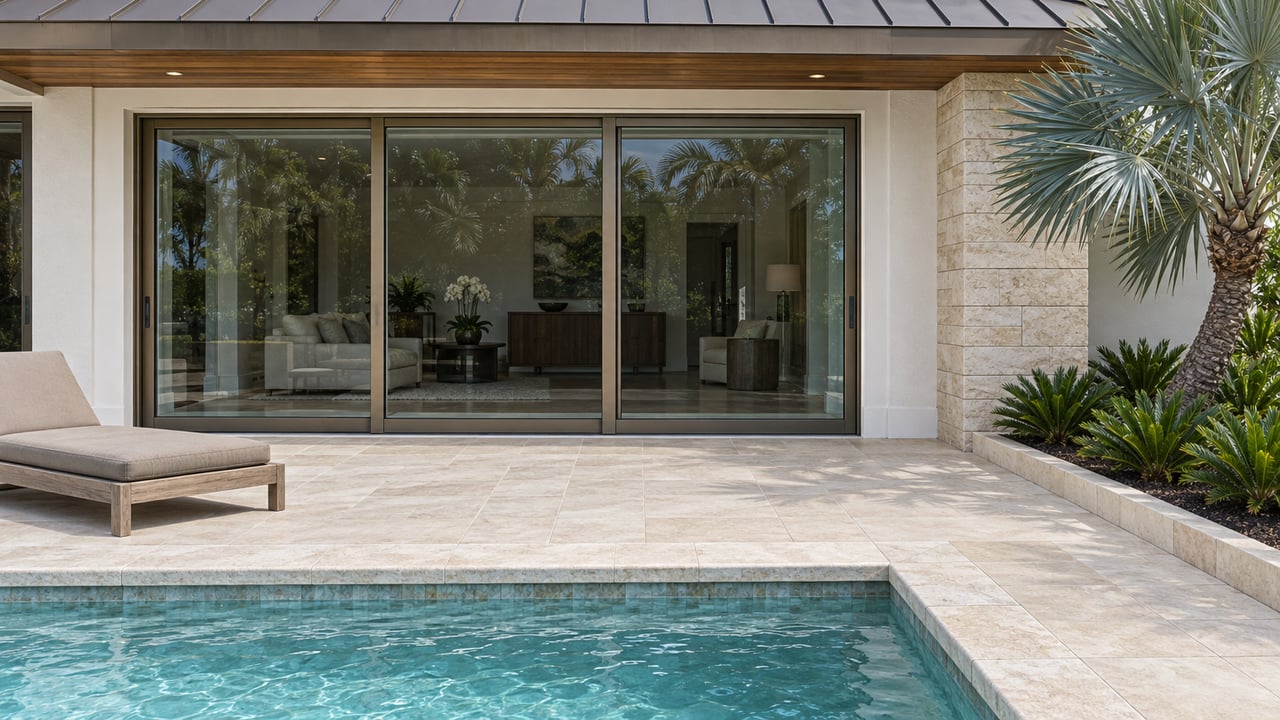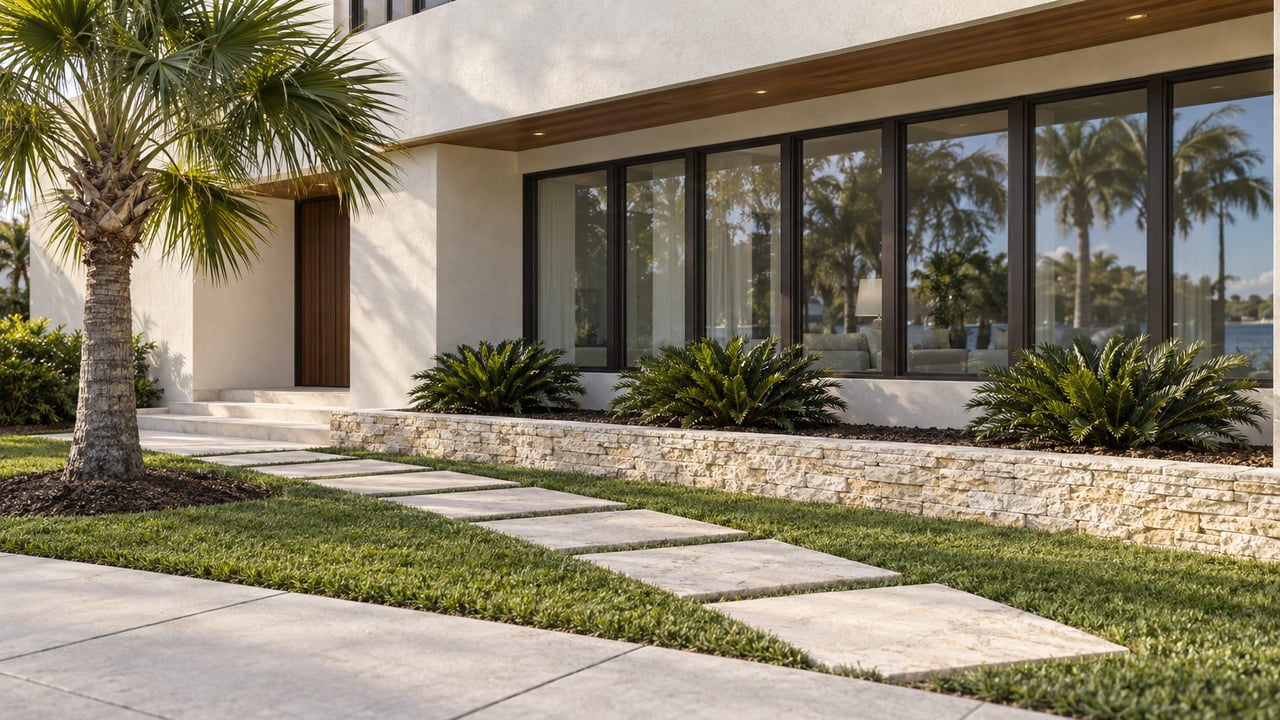
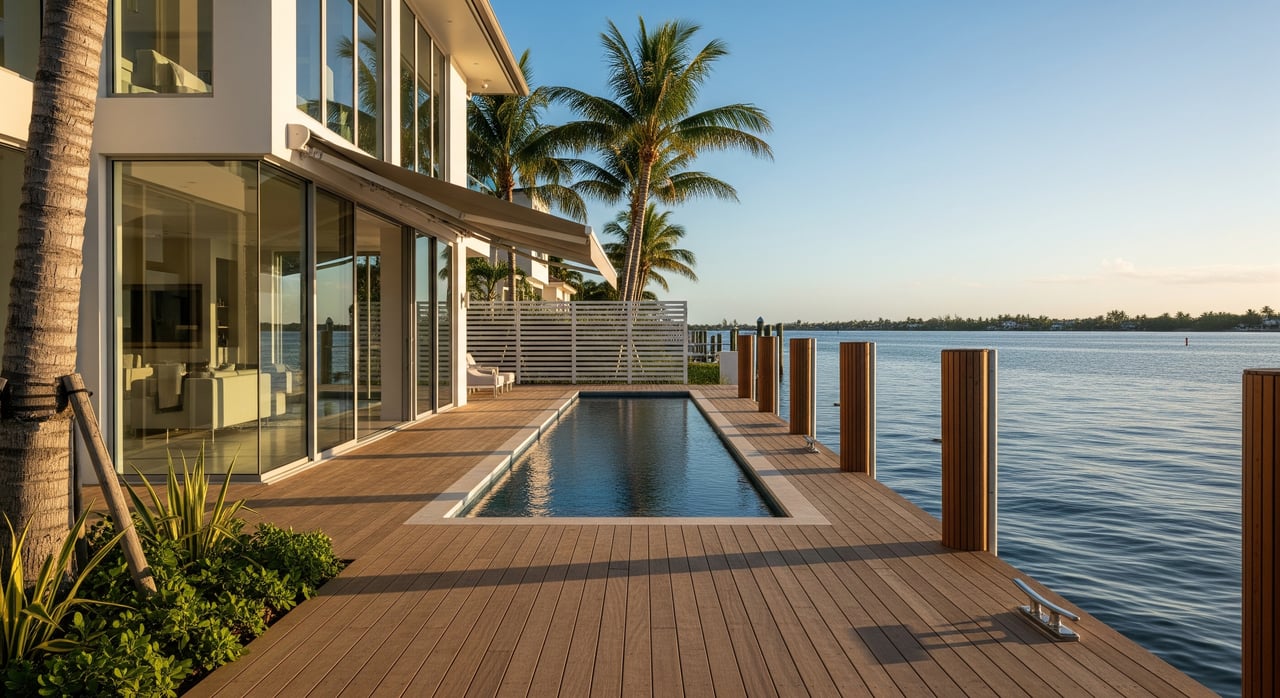
Is your pool too cool in winter or blindingly bright at sunset? On a Bay Colony waterfront home, the angle of your canal and yard changes how the sun hits your water, patio, and interiors every hour of the day. If you are buying, this can mean the difference between a warm, usable pool and a shaded one. If you are selling, it can shape how your home photographs and shows. In this guide, you will learn how orientation works in Fort Lauderdale, what to expect from each exposure, and how to evaluate any lot with confidence. Let’s dive in.
Why orientation matters in Bay Colony
Bay Colony sits near 26° north latitude, which shapes how the sun tracks across the sky. In summer, the sun climbs very high at midday and shadows are short. In winter, the sun sits lower and shadows stretch. That seasonal swing changes how much direct sun hits your yard, pool, and rooms.
Around the summer solstice, midday sun is almost overhead. Around the winter solstice, solar noon is roughly 40 degrees high, so structures and trees cast longer shade. Sunrise and sunset angles also shift through the year, so morning versus evening light can look very different from June to December. For a specific date and address, you can confirm sunrise, sunset, and sun angles with the NOAA solar calculator or use a map-based sun path tool like SunCalc to preview the sun at different times and seasons.
South Florida sun basics
- Summer: High midday sun and long days. Pools warm quickly and glare can be intense over water.
- Winter: Lower midday sun and shorter days. Shade from homes, docks, and trees can limit pool warming.
- Reflections: Wider waterways create more reflective surface, which increases brightness and glare. Narrow canals tend to mute it.
These patterns are consistent across the Fort Lauderdale–Pompano Beach–Deerfield Beach area, but each lot’s orientation and surroundings make a noticeable difference.
Orientation outcomes to expect
East-facing water
- What you feel: Bright mornings with sunrise over the canal. Midday sun moves high, then afternoon light shifts from the south and southwest.
- Pool and patio: Pleasant, sunny mornings. Pools often warm by midday if they catch southern light later.
- Glare: Morning glare can be strong on the dock or breakfast terrace, softer by late afternoon.
- Best fit: You enjoy sunrise coffee outdoors and prefer cooler late-day dining.
West-facing water
- What you feel: Cooler mornings, strong afternoon and evening sun. Sunset views extend outdoor time.
- Pool and patio: Late-day sun warms the water and keeps evenings bright and lively.
- Glare: Expect strong low-angle glare over the water late afternoon through sunset.
- Best fit: You want dramatic sunsets and long evening light, and you plan for shade solutions.
South-facing water
- What you feel: The most direct sun across the day, especially in winter when midday sun sits to the south.
- Pool and patio: Typically the warmest pools and sunniest decks year-round.
- Glare: Midday reflection can be intense on wider water.
- Best fit: You want all-day sun and warm water, and you are comfortable adding shade where needed.
North-facing water
- What you feel: The least direct sun overall, with more shade from your home and neighbors.
- Pool and patio: Cooler water, especially in winter, with more comfortable midsummer afternoons.
- Glare: Typically lower direct glare because the sun is to the south.
- Best fit: You prefer a cooler yard and less intense sun, and you do not mind a pool that warms more slowly.
Angled or diagonal canals
- What you feel: A hybrid pattern where small shifts in angle can change whether your pool gets late-day sun or afternoon shade.
- What to do: Use a sun-path tool to visualize how the sun moves across your specific lot and waterline.
Pools, patios, and glare
Two similar lots can feel very different once you add water width, neighbor height, and landscaping. Wider basins amplify reflection, so afternoons can feel brighter and hotter. Narrow canals mute reflections. In winter, tall homes, docks, and mature trees cast longer shadows that can keep a pool cooler.
If you love the look of sun but want controlled comfort, plan for layered shade. Retractable awnings, umbrellas, pergolas with adjustable slats, and motorized screens let you dial in the feel from mid-morning through sunset. Light-colored decking helps reduce heat underfoot. UV-protective window films can cut glare and help protect interiors, especially on west and south exposures.
How to evaluate a lot’s sun
Use a simple process to remove guesswork before you buy or list.
- Map the orientation
- Note the direction the backyard faces relative to true north using Google Earth or a county parcel map.
- Confirm your canal’s azimuth and width, and identify any taller neighboring structures.
- Visualize the sun path
- Use the NOAA solar calculator to confirm sunrise and sunset angles for your date.
- Use SunCalc to see where the sun sits by hour over your yard and canal.
- Visit at key times
- Tour in the morning and again late afternoon. In winter, check midday shadows on the pool.
- Stand at your primary seating and cooking areas to judge glare and brightness.
- Ask targeted questions
- What direction does the yard face the water? Where do neighbors cast shade in winter?
- Is there a pool heater or solar cover, and what are typical seasonal water temperatures?
- Are any shade structures permanent, and are there HOA or city limits on additions?
Showing and photo timing tips
If you are selling in Bay Colony, timing can elevate how your home feels and photographs.
- East-facing: Morning showings and photos capture soft light on the water and a bright pool. Aim earlier if you want cooler patios.
- West-facing: Late afternoon and golden hour deliver lifestyle-driven sunset visuals. If interiors face west, shoot them earlier to reduce harsh backlight.
- South-facing: Midday to early afternoon shows a warm, sunlit pool. Use HDR to balance bright water with shaded spaces.
- North-facing: Late morning to early afternoon brings the most even light. Avoid early shots that can make outdoor areas look too shaded.
For waterfront exteriors, try a polarizing filter to tame water glare, shift your angle to avoid direct reflections, and bracket exposures to hold sky and shadow detail. Show shading options in-frame so buyers can see how the space adapts across the day.
Buyer checklist for comfort
- Orientation: Confirm if you want sunrise light, sunset views, or all-day sun.
- Pool use: Note sun hours on the water in winter and summer, not just midsummer.
- Glare: Stand at seating areas late afternoon and check eye-level comfort.
- Shade: Identify where awnings, pergolas, or trees could add relief without blocking winter sun.
- Wind: Breezes cool wet skin and water. If this matters, ask about typical afternoon winds.
Seller checklist to maximize appeal
- Describe orientation clearly: “West-facing canal lot with sunset views,” or “South-facing pool with all-day sun.”
- Highlight solutions: Screened patios, awnings, motorized shades, UV film, pool heaters, or solar covers.
- Stage for the time of day: Open shades when glare is soft, set umbrellas or pergolas for inviting, usable spaces.
- Capture both moods: Interior photos when light is balanced, exterior and water shots at the best light window for your orientation.
Match orientation to your lifestyle
There is no single best exposure in Bay Colony. If you want evening entertaining and sunsets, west-facing often shines. If warm pools and consistent daylight matter, south-facing stands out. If you prefer cooler outdoor time in midsummer, north or east can feel more comfortable. The right choice depends on how you live.
If you want help weighing tradeoffs on a specific home, use tools, site visits, and a strategic plan. A few thoughtful tweaks, like layered shade and the right photo timing, can turn any orientation into an asset.
Ready to evaluate a specific Bay Colony address and build a strategy around its sun exposure, showings, and marketing? Connect with Veroushka MacLean Volkert Luxury Real Estate for tailored guidance and a discreet, high-touch approach.
NOAA solar calculator and SunCalc’s map-based sun path are helpful tools if you want to preview sun angles before a visit.
FAQs
What does canal orientation mean in Bay Colony?
- It refers to the direction your yard and dock face relative to the canal. That angle controls when sun hits your pool and patio, how intense glare feels over the water, and how your home shows and photographs.
Which orientation gives the warmest pool in Fort Lauderdale?
- South-facing yards typically receive the most direct sun across the day and seasons, which often yields warmer pool water. West-facing also warms well late day but brings stronger afternoon glare.
How can I predict glare on a west-facing canal lot?
- Visit late afternoon and near sunset, then look from your main seating and inside principal rooms. Low-angle sun over water creates strong reflections, so plan for shades, films, or pergolas if you love the sunset view.
Will a north-facing waterfront feel too shaded in winter?
- It can, depending on neighbor height and tree canopy. With the lower winter sun, homes and docks cast longer shadows. Check midday light on the pool in December or use a sun-path tool to estimate.
What quick tools can I use before making an offer?
- Map the lot in Google Earth, check sun angles with the NOAA solar calculator, and preview the path on SunCalc. Then schedule a morning and late-afternoon visit to confirm pool sun hours and glare.
Are there rules for adding shade structures on Bay Colony waterfronts?
- Many neighborhoods have HOA or municipal guidelines for awnings, pergolas, screens, and docks. Always verify what is permitted before planning permanent shade or landscape changes.